



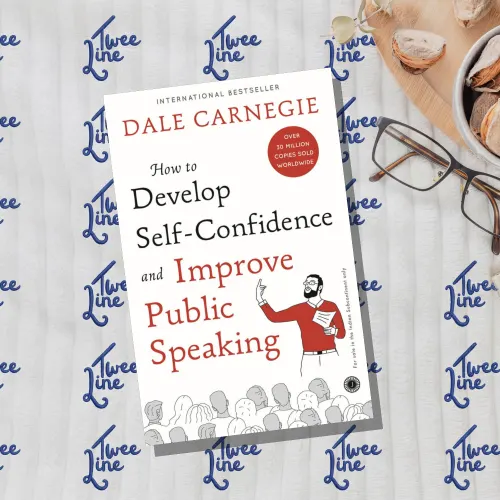
How to Develop Self Confidence and Improve Public Speaking (Jaico)
Build unshakeable confidence and speak with clarity in front of any audience.
Dale Carnegie
Rs. 1,390.00
Sri Lankan goods, delivered to your door
Join Join our WhatsApp channelSpeak with confidence and win any room, the quick and easy way.
In stock
A practical guide to confident public speaking, drawn from Dale Carnegie's proven methods for winning audiences and communicating with ease.
Why read it
— Twee Line's take
Ask Tweeny about this book
The Quick and Easy Way to Effective Speaking is a practical, confidence-building guide for anyone who wants to speak clearly, persuasively, and without fear. Built on the teaching tradition of Dale Carnegie, the book distills decades of public speaking instruction into simple, actionable steps that work for beginners and experienced speakers alike. Whether you are preparing a wedding toast, a boardroom presentation, a classroom lecture, or a sales pitch, this book treats speaking as a learnable skill rather than a natural gift. That single idea, that effective speaking can be acquired through method and practice, is the heart of the book and the reason it has remained useful to readers for generations.
The title promises speed and ease, and the book delivers both by focusing on fundamentals rather than theory. It does not ask you to memorize complicated frameworks or adopt a fake persona. Instead, it helps you find your natural voice, organize your thoughts, and connect with the people in front of you. The result is a guide that feels less like a textbook and more like a coach standing beside you, offering encouragement and clear next steps.
The book moves through the full arc of preparing and delivering a talk. Early sections address the fear that stops so many people before they even begin. It explains why nervousness is normal, how it can be redirected into energy, and why the audience rarely notices the anxiety a speaker feels. From there, the book turns to preparation: how to choose a topic you genuinely care about, how to gather material, and how to shape that material into a message with a clear beginning, middle, and end.
Later chapters focus on delivery. They cover voice, pacing, pauses, gestures, eye contact, and the use of stories and examples. The book emphasizes that audiences remember feelings and images more than lists of facts, so it teaches speakers to build their talks around vivid, human moments. It also addresses the practical realities of different speaking situations, from short impromptu remarks to formal presentations, and offers guidance on opening strongly, holding attention, and closing in a way that leaves a lasting impression.
Several themes run through the book. The first is that sincerity matters more than polish. A speaker who genuinely believes in the message will connect more deeply than one who merely performs. The second is that preparation reduces fear. When you know your material and have practiced it, confidence grows naturally. The third is that speaking is a service. The goal is not to show off but to give something valuable to the audience, whether that is information, inspiration, or a new way of seeing a problem.
The book's approach is warm and encouraging. It uses examples, anecdotes, and simple exercises rather than dense theory. This makes it easy to read in short sessions and easy to apply immediately. Readers are invited to practice out loud, to test ideas on friends, and to treat each speaking opportunity as a chance to improve rather than a test to pass or fail.
This book is for anyone who has ever felt their heart race at the thought of speaking in public. It suits students preparing presentations, professionals who need to lead meetings or pitch ideas, teachers and trainers who speak for a living, and community members who want to feel more comfortable addressing a group. It is also valuable for people who speak English as a second language and want a clear, friendly guide to organizing and delivering their thoughts.
Because the advice is practical and the tone is supportive, the book works well for readers who have tried other speaking guides and found them too academic. It is equally useful for someone who simply wants to become a better conversationalist, since many of the principles apply to everyday communication as well as formal speeches.
The writing is direct and accessible. Chapters are short enough to read during a commute or a lunch break, and each one leaves the reader with something concrete to try. The book avoids jargon and keeps the focus on real situations. Many readers describe it as the kind of book you keep nearby and revisit before an important talk, not because it is complicated, but because it is reassuring.
The exercises and examples make the book interactive. You are not just reading about speaking; you are invited to stand up, try a technique, and notice what changes. That active quality is part of what makes the book effective. It turns reading into practice, and practice into progress.
Communication skills shape careers, relationships, and opportunities. A book that helps you speak with clarity and confidence is therefore more than a self-help title; it is a practical tool for life. The Quick and Easy Way to Effective Speaking earns its place on the shelf because it is simple without being shallow, encouraging without being empty, and useful long after the first read.
It also pairs well with other books on persuasion, leadership, and personal development. Readers who enjoy it often return to it when preparing for a specific event, using it as a checklist and a source of calm. For anyone building a personal library of practical skills, this is a natural addition.
Read one chapter at a time and try the suggested exercise before moving on. Practice out loud, even if only to yourself. Record yourself if you can, and notice small improvements. Use the book before real events, not just once. Over time, the habits it teaches become natural, and speaking stops feeling like a threat and starts feeling like an opportunity.
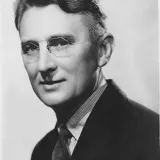
Dale Carnegie (1888–1955) was an American writer and lecturer, and the developer of courses in self-improvement, salesmanship, corporate training, public speaking, and interpersonal skills. Born into poverty on a farm in Missouri, he was the author of several bestsellers, including How to Win Friends and Influence People and How to Stop Worrying and Start Living.
Build unshakeable confidence and speak with clarity in front of any audience.
Dale Carnegie
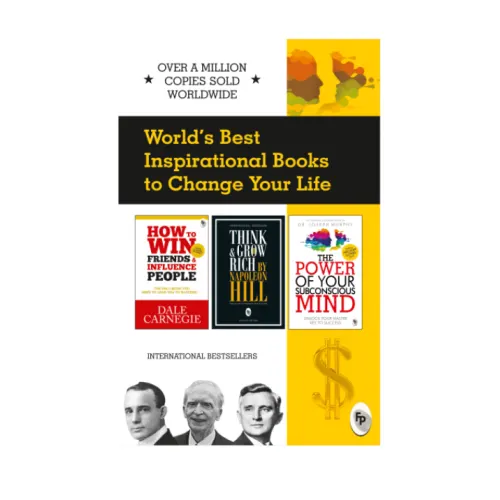
Three timeless classics in one box set to transform your mindset, relationships, and success.
Dale Carnegie, Joseph Murphy, Napoleon Hill
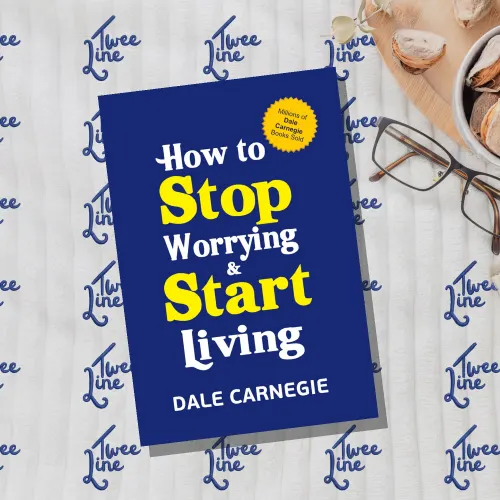
Carnegie’s practical method for containing worry.
Dale Carnegie
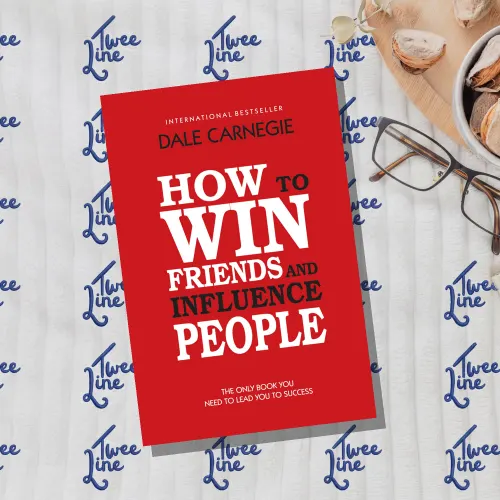
The 1936 handbook on dealing with people that still sets the template.
Dale Carnegie

A haunting Jennifer Niven novel about friendship, secrets, and the monsters we hide.
Jennifer Niven

Persephone's mortal life unravels as her bond with Hades is tested in this steamy Greek myth retelling.
Scarlett St. Clair

The explosive second book in Tahereh Mafi's Shatter Me: Series Two, where love and power collide.
Tahereh Mafi

A warm return to the Torunka Cafe, where small moments and quiet conversations feel like home.
Satoshi Yagisawa
Build unshakeable confidence and speak with clarity in front of any audience.
Dale Carnegie
A gripping psychological thriller where a missing girl's identity becomes the most dangerous question of all.
Megan Lally

A practical paperback pick for readers drawn to a clear and readable approach to its subject in A Thousand Broken Pieces.
Tillie Cole
A practical paperback pick for readers drawn to personal growth and useful action in The Infinite Game.
Simon Sinek
The Quick and Easy Way to Effective Speaking (Jaico)
Rs. 1,380.00
Your cart is empty
Start adding items to see them here.