



After Dark
A nocturnal Tokyo dreamscape where strangers cross paths and the city hums with quiet mystery.
Haruki Murakami
Rs. 2,300.00
Sri Lankan goods, delivered to your door
Join Join our WhatsApp channelStories of men adrift in love, loss, and solitude.
In stock
A short story collection by Haruki Murakami exploring men navigating loneliness, love, and the quiet ache of missing women in their lives.
Why read it
— Twee Line's take
Ask Tweeny about this book
Men Without Women is a collection of short stories by Haruki Murakami that circles around a single, haunting theme: what happens to men when the women they love, or once loved, are no longer present. Across these stories, Murakami writes with his signature blend of melancholy, surrealism, and quiet observation, creating men who are often passive, reflective, and emotionally guarded. The collection is not a novel but a series of windows into different lives, each one exploring the strange and ordinary ways that absence shapes a person.
The title itself is a nod to Hemingway's 1927 collection of the same name, and Murakami engages in a literary conversation with that tradition while making it entirely his own. These are not stories of grand romantic gestures or dramatic breakups. They are stories of men who find themselves alone in apartments, bars, cars, and hospitals, trying to make sense of what they have lost and what remains. The tone is restrained, often elegiac, but punctuated by moments of humor and surreal surprise that keep the reader off balance.
At the heart of Men Without Women is the idea that love and loss are inseparable, and that the absence of a woman can be as powerful a presence as her company. Murakami explores this through a cast of men who are, in different ways, stuck: a doctor who cannot forget a former lover, an actor who receives a strange phone call, a man who becomes friends with a woman whose husband has died, a teenager who falls for an older woman, and a man who learns that his ex-girlfriend has taken her own life. Each story is a variation on the same chord, and together they create a symphony of loneliness that feels both deeply personal and universally recognizable.
The collection also touches on the nature of memory and how it distorts and preserves the past. Murakami's men often remember women not as they were but as they needed them to be, and the gap between memory and reality becomes a source of both comfort and pain. This is particularly evident in stories like "Drive My Car," where a widowed actor and his young chauffeur form a bond through shared silence and unspoken grief, and "Scheherazade," where a man is visited by a woman who tells him stories each night, blurring the line between intimacy and imagination.
Reading Men Without Women is like listening to a jazz record late at night: it is smooth, atmospheric, and tinged with sadness, but also capable of sudden, startling beauty. Murakami's prose is deceptively simple, and his narrators are often detached, observing their own emotions from a distance. This creates a sense of intimacy without sentimentality, and the reader is invited to sit with the characters in their quiet moments rather than to judge or pity them.
The stories vary in length and style, from the almost novella-length "Drive My Car" to shorter, more enigmatic pieces like "Samsa in Love," which imagines Gregor Samsa from Kafka's The Metamorphosis waking up not as an insect but as a man, and experiencing love for the first time. This range keeps the collection fresh, and the surreal elements that Murakami is known for are present but restrained, serving the emotional core rather than distracting from it.
This collection will appeal to readers who appreciate literary fiction that is both accessible and profound. Fans of Murakami will recognize his recurring motifs: cats, ears, cooking, music, and the blurring of dreams and reality. But the book is also a good entry point for readers new to his work, as the stories are self-contained and the themes are universal. It is a book for anyone who has ever felt the ache of missing someone, or who has wondered how the people we love continue to shape us long after they are gone.
Men Without Women is not a book of answers. It is a book of questions, and its power lies in the way it allows those questions to linger. It is a collection to be read slowly, perhaps one story at a time, and then returned to again, because like all great literature, it reveals new layers with each reading.
This is a book that understands the quiet dignity of sadness and the strange beauty of solitude. It offers companionship to those who have felt alone and insight to those who have not. Murakami's men are not heroes or villains; they are ordinary people trying to navigate the complexities of the heart, and in their struggles, we see our own. Whether you are a longtime Murakami reader or discovering him for the first time, Men Without Women is a collection that will stay with you long after the last page is turned.
Haruki Murakami is a renowned Japanese novelist known for his surreal, often melancholic fiction that blends elements of magical realism, pop culture, and existential themes. His notable works include 'Norwegian Wood,' 'Kafka on the Shore,' and '1Q84.' He has won numerous international awards, including the Franz Kafka Prize and the Jerusalem Prize.
A nocturnal Tokyo dreamscape where strangers cross paths and the city hums with quiet mystery.
Haruki Murakami
A practical paperback pick for readers drawn to a clear and readable approach to its subject in Colorless Tsukuru Tazaki and His Years of Pilgrimage.
Haruki Murakami
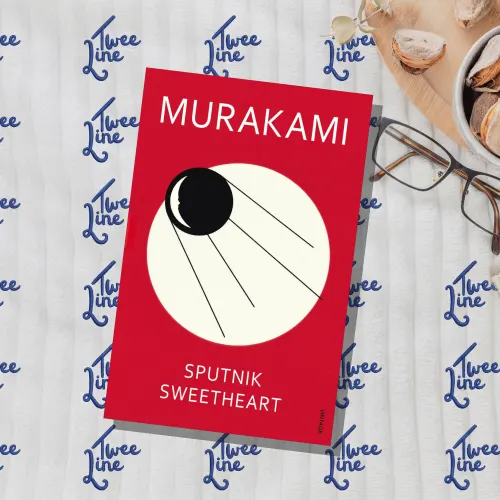
A practical paperback pick for readers who want emotion and connection in Sputnik Sweetheart.
Haruki Murakami
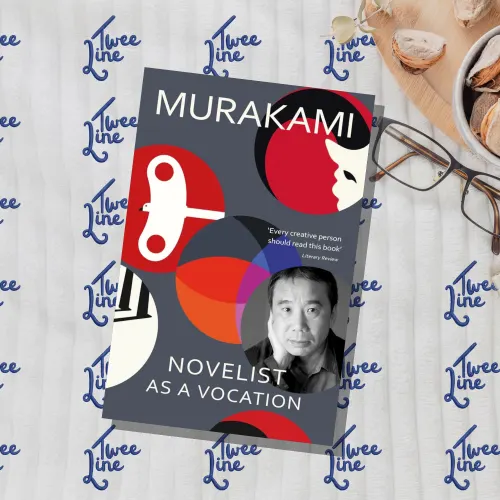
A practical paperback pick for readers drawn to a clear and readable approach to its subject in Novelist as a Vocation.
Haruki Murakami
A practical paperback pick for readers drawn to a clear and readable approach to its subject in A Thousand Boy Kisses.
Tillie Cole

A haunting Jennifer Niven novel about friendship, secrets, and the monsters we hide.
Jennifer Niven

Persephone's mortal life unravels as her bond with Hades is tested in this steamy Greek myth retelling.
Scarlett St. Clair
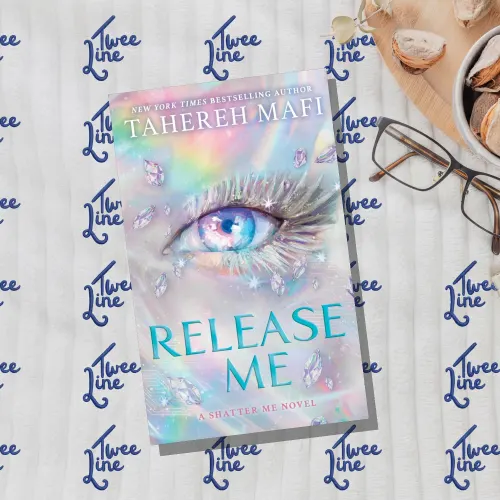
The explosive second book in Tahereh Mafi's Shatter Me: Series Two, where love and power collide.
Tahereh Mafi
A practical paperback pick for readers drawn to a clear and readable approach to its subject in A Thousand Broken Pieces.
Tillie Cole
A practical paperback pick for readers drawn to personal growth and useful action in The Infinite Game.
Simon Sinek
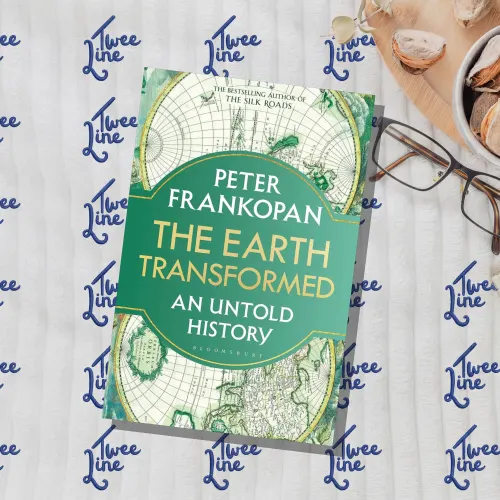
A practical paperback pick for readers drawn to a clear and readable approach to its subject in The Earth Transformed: An Untold History.
Peter Frankopan
A practical paperback pick for readers drawn to real-world ideas, context, and perspective in A General Introduction to Psychoanalysis.
Sigmund Freud
A practical paperback pick for readers drawn to a clear and readable approach to its subject in Heartstopper Volume 4.
Alice Oseman
Men Without Women
Rs. 2,300.00
Your cart is empty
Start adding items to see them here.