


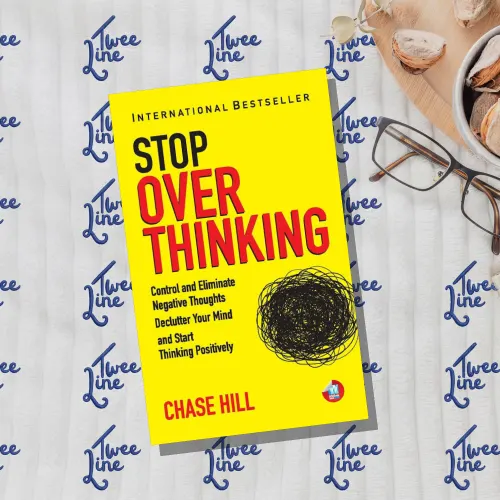
How to Stop Overthinking by Chase Hill
Quiet the mental noise and reclaim your focus with practical, calming strategies.
Chase Hill, Scott Sharp
Rs. 1,630.00
Sri Lankan goods, delivered to your door
Join Join our WhatsApp channelA practical paperback pick for readers drawn to a clear and readable approach to its subject in Games People Play: The Psychology of Human Relationships.
Reading time is an estimate at about 40 pages per hour. Your actual time may vary.
Out of stock
Games People Play: The Psychology of Human Relationships by Eric Berne offers something suited to its media and communication shelf. It is a solid choice for readers looking for a clear, useful, and easy-to-follow book.
Out of stock — get notified
Leave your email and we'll let you know the moment it's back.
Why read it
— Twee Line's take
Ask Tweeny about this book
At its core, Games People Play: The Psychology of Human Relationships is designed to give readers a direct path into a topic that matters to them. Written by Eric Berne, Games People Play sits within the Media and Communication shelf and naturally connects to the broader idea of a clear and readable approach to its subject. The title suggests a straightforward promise, and the book delivers that promise with a tone that is meant to be readable rather than remote. It is the sort of book that can be read for information, perspective, or simple enjoyment, depending on what the reader is hoping to get from it. Games People Play: The Psychology of Human Relationships by Eric Berne is built around a central idea that can be explained in plain language and then carried into daily reading habits.
The book's appeal comes from its ability to take a familiar subject and present it with enough clarity that the reader can follow along without effort. The source material points toward a book that is meant to inform, guide, and encourage reflection, which gives it value beyond a simple quick read. In that sense, it works as both a topic-driven book and a useful companion for someone who wants to understand the subject in a calmer, more deliberate way. The product copy points to a book that speaks clearly about its subject, with a tone that is informative and easy to approach. One of the strongest things about Games People Play: The Psychology of Human Relationships is the way it keeps attention on a single direction instead of scattering the reader across too many ideas at once.
That focus makes it easier to understand the main point, see how the ideas connect, and remember what matters after the final page. For readers who like to feel progress while they read, that structure can be especially satisfying because it gives each section a sense of purpose. The book is also suitable for readers who want something they can revisit later, since the ideas tend to work best when they are absorbed steadily rather than rushed. Its media and communication placement helps frame the reading experience and gives the book a clear place on the shelf. The overall feeling is one of steady movement, where each part contributes to a larger picture of a clear and readable approach to its subject.
The reading experience of Games People Play: The Psychology of Human Relationships depends on the kind of mood the reader brings to it, but it generally rewards attention, patience, and a willingness to think as you go. That makes it a strong choice for readers who like books that feel useful after the cover is closed, not just while the pages are turning. The structure is easy to imagine as something that can be read in sections, reflected on between sessions, and revisited when a specific idea feels relevant again. This tends to make the book feel less like disposable content and more like a reference point that can stay on a personal shelf for a long time. This edition is paperback, published by Penguin, published in July 2016, 176 pages. With 176 pages, it has enough room to develop its ideas without feeling overstretched.
If a reader wants a book that feels both readable and meaningful, Games People Play: The Psychology of Human Relationships is a natural match. Instead, it stays focused on its topic and gives the reader a consistent path through the material. For someone who is browsing with intention, that kind of clarity can make the difference between a book that gets skimmed and a book that gets finished. It is also a sensible pick for readers who want to give a thoughtful gift, because its subject matter usually has a practical or emotional relevance that is easy to explain. When the category leans toward media and communication, the book tends to feel even more relevant to readers who are already interested in that shelf. That relevance gives it a lasting place in a collection that values purpose, usefulness, and readable ideas.
Taken as a whole, Games People Play: The Psychology of Human Relationships feels like a book with a clear point of view and a useful reason to exist. It does not rely on noise or confusion to hold attention, and that is part of what makes it appealing. Instead, it offers a dependable reading experience that is centered on a clear and readable approach to its subject and delivered in a format that is easy to approach. For readers looking for something that belongs in the Media and Communication section of a catalogue, it offers a simple, memorable promise. The result is a book that can be recommended with confidence to readers who want substance, clarity, and a steady sense of direction. That combination gives it value for browsing, buying, reading, and returning to later when the same subject comes back into focus.
The title Games People Play: The Psychology of Human Relationships also carries commercial appeal because it is easy to remember and easy to recommend. That matters in a catalogue where readers often decide quickly whether a book feels right for them.
Eric Berne was a Canadian-born psychiatrist best known for developing transactional analysis, a theory of personality and social interaction. He wrote the bestselling book 'Games People Play' (1964), which popularized concepts like the 'Parent, Adult, Child' ego states. His work blends psychology, self-help, and popular science.
Quiet the mental noise and reclaim your focus with practical, calming strategies.
Chase Hill, Scott Sharp

From a struggling student to a pioneering neurosurgeon, one boy's story of faith, grit, and gifted hands.
Ben Carson, Cecil Murphey
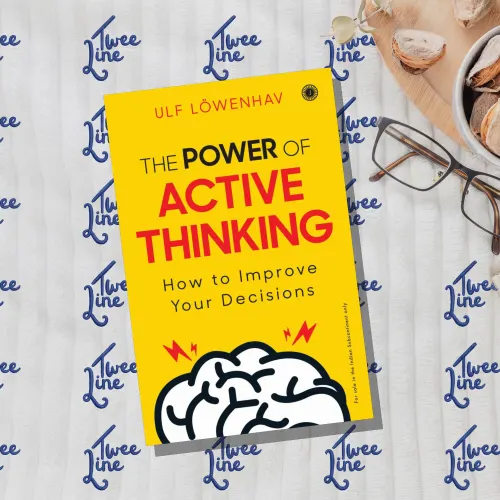
Sharpen your mind and turn passive thoughts into purposeful action.
Ulf Löwenhav

A calm, practical guide to living with awareness, balance, and purpose.
Non-Fiction
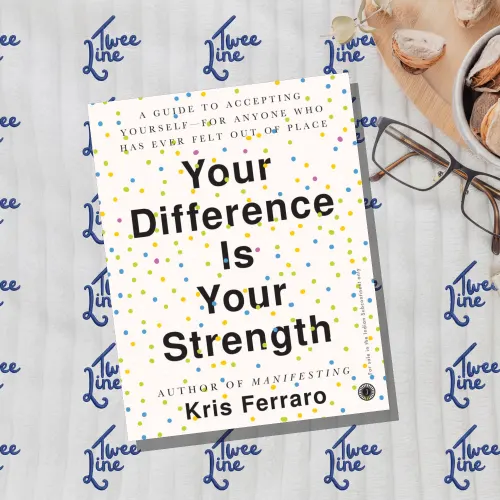
Turn what sets you apart into the source of your confidence and success.
Kris Ferraro

A gentle guide to understanding and nurturing your child's emotional world.
Lauren Elizabeth Stauble, Alyssa Blask Campbell
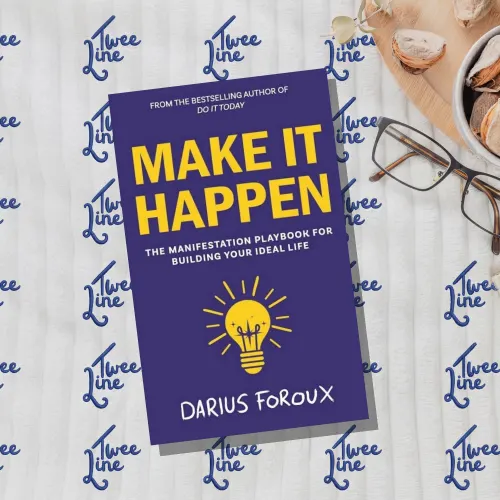
A practical guide to turning intentions into action and results.
Darius Foroux
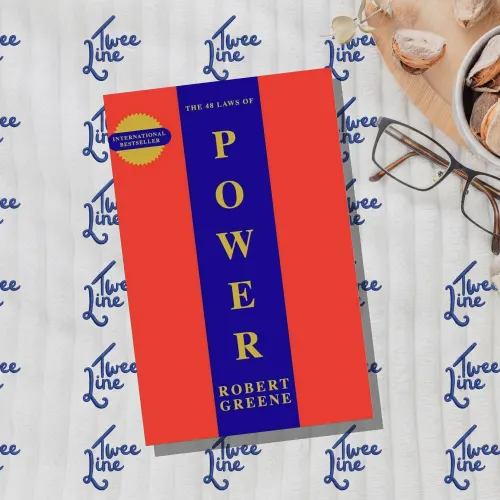
All 48 laws of power distilled into one sharp, fast-reading guide.
Robert Greene
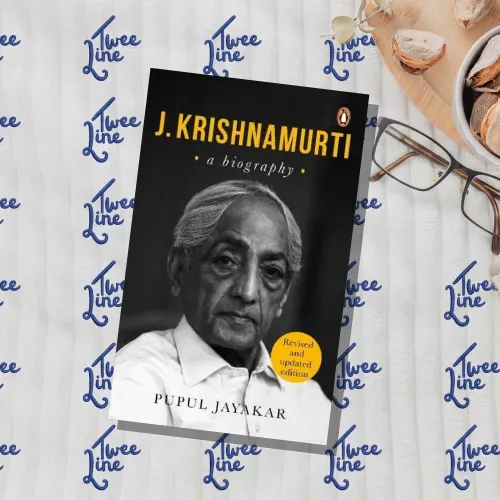
A practical paperback pick for readers drawn to real-world ideas, context, and perspective in J. Krishnamurti: A Biography.
Pupul Jayakar
A practical paperback pick for readers drawn to a clear and readable approach to its subject in Beating The Street.
John Rothchild, Peter Lynch
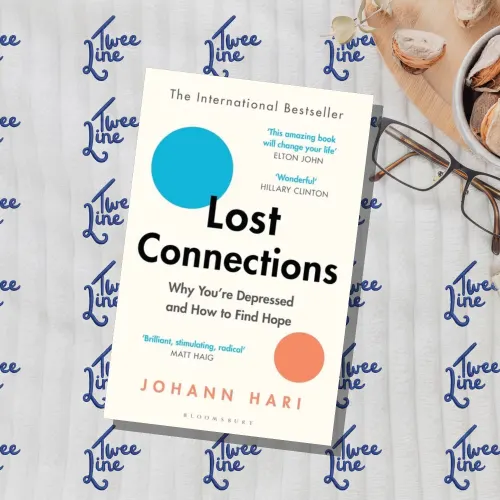
A practical paperback pick for readers drawn to a clear and readable approach to its subject in Lost Connections: Why You’re Depressed and How to Find Hope.
Johann Hari
A practical paperback pick for readers drawn to a clear and readable approach to its subject in Hekate - The Witch.
Nikita Gill
A practical paperback pick for readers drawn to real-world ideas, context, and perspective in Becoming.
Michelle Obama
Your cart is empty
Start adding items to see them here.