

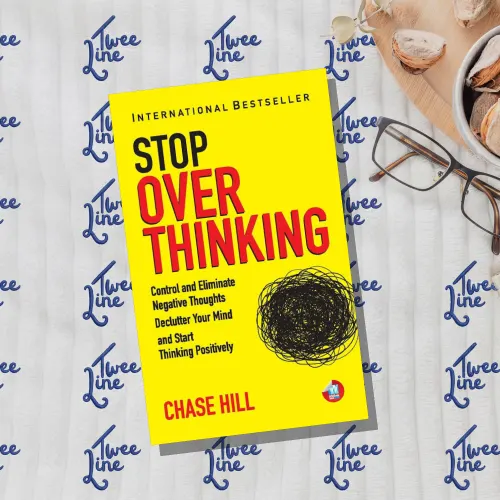
How to Stop Overthinking by Chase Hill
Quiet the mental noise and reclaim your focus with practical, calming strategies.
Chase Hill, Scott Sharp
Rs. 1,630.00
Sri Lankan goods, delivered to your door
Join Join our WhatsApp channelA gentle guide to understanding and nurturing your child's emotional world.
In stock
Tiny Humans, Big Emotions helps parents and caregivers decode young children's feelings and respond with calm, connection, and confidence.
Why read it
— Twee Line's take
Ask Tweeny about this book
Tiny Humans, Big Emotions is a warm, practical guide for anyone who spends time with young children and has ever felt unsure how to respond to a meltdown, a sudden fear, or a wave of tears. The book treats big feelings not as problems to be silenced but as important signals that deserve attention, patience, and thoughtful guidance. Rather than offering quick fixes or rigid scripts, it invites readers to slow down, observe, and build emotional understanding alongside the child.
At its heart, the book is about connection. It explores how children experience emotions before they have the language to name them, and how adults can become steady companions in that learning process. The tone is reassuring and non-judgmental, acknowledging that caregiving is hard and that no one gets it right every time. Instead of adding pressure, the book offers perspective: big emotions are normal, they are developmental, and they are opportunities for growth rather than failures of discipline.
The book moves through the everyday emotional landscape of early childhood, from frustration and tantrums to excitement, worry, and sadness. It looks at how young children make sense of their inner world and how adult reactions shape the way children learn to handle their own feelings over time. Readers are encouraged to notice patterns, consider what might be underneath a behavior, and respond in ways that build trust rather than escalate conflict.
Key themes include emotional literacy, co-regulation, and the difference between managing behavior and nurturing emotional health. The book emphasizes that children learn most about emotions through relationships, especially through the calm and consistent presence of caring adults. It also addresses the emotional work of the adult, recognizing that staying patient and grounded is easier said than done, and that caregivers need support and self-compassion too.
The writing is approachable and human, with a tone that feels like a conversation with a thoughtful mentor rather than a lecture. Concepts are explained in plain language and grounded in everyday scenarios that will feel familiar to parents, teachers, and caregivers. The book balances reassurance with practical reflection, offering ideas to try without turning them into rigid rules. Readers can move through it chapter by chapter or return to sections as situations arise, making it a useful companion over time.
It is the kind of book that invites pauses. Rather than racing to a conclusion, it encourages readers to sit with questions, notice their own reactions, and consider what a child might be communicating. This reflective quality makes it well suited to busy caregivers who want something they can dip into during quiet moments and carry with them into daily interactions.
Tiny Humans, Big Emotions is written for parents, grandparents, early childhood educators, and anyone who cares for or works with young children. It is especially helpful for readers who feel overwhelmed by tantrums or emotional outbursts and want a calmer, more connected approach. It also suits readers who are new to ideas about emotional development and want an accessible starting point, as well as those who already value gentle parenting and are looking for more language and perspective to support their practice.
The book does not assume any specialist background. It meets readers where they are, whether they are navigating a difficult phase at home, supporting children in a classroom, or simply wanting to understand children's emotions better. Its messages are broad enough to apply across different family structures and caregiving settings.
Caregiving is full of moments that feel bigger than any book can prepare you for, and that is exactly why a book like this earns its place on the shelf. It offers a steadying perspective that can be returned to again and again, reminding readers that emotional storms pass and that connection is the foundation of growth. Instead of promising perfection, it offers companionship and a way of thinking that can make hard moments feel more manageable.
For anyone who wants to raise children with emotional awareness and resilience, Tiny Humans, Big Emotions provides a thoughtful, humane framework. It respects both the child's experience and the adult's effort, and it treats emotional learning as a shared journey. Whether you read it cover to cover or keep it nearby for the tough days, it is a resource that supports patience, empathy, and confidence in the everyday work of caring for young children.
Lauren Elizabeth Stauble is an American author known for writing contemporary romance and young adult fiction. She has published works including the novel "The Last Word." Her writing often centers on relationships, family, and coming of age themes.
Quiet the mental noise and reclaim your focus with practical, calming strategies.
Chase Hill, Scott Sharp
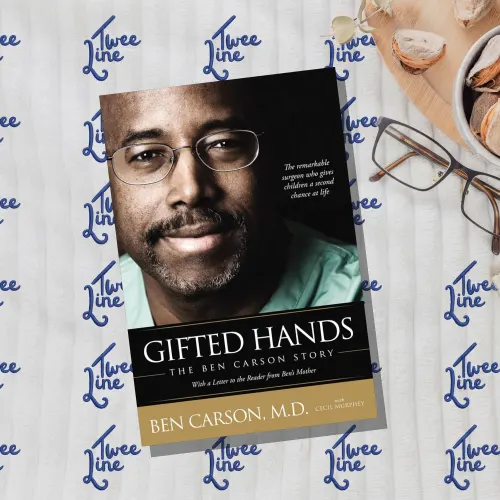
From a struggling student to a pioneering neurosurgeon, one boy's story of faith, grit, and gifted hands.
Ben Carson, Cecil Murphey
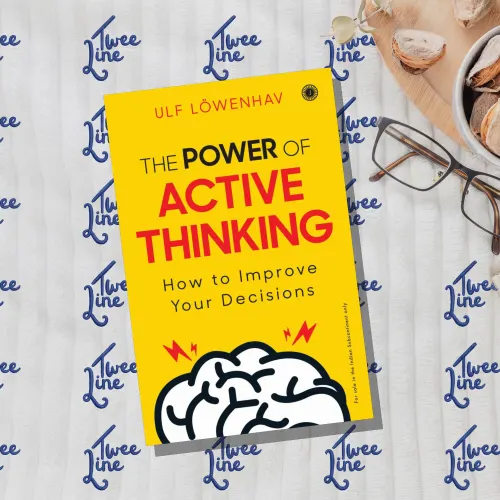
Sharpen your mind and turn passive thoughts into purposeful action.
Ulf Löwenhav
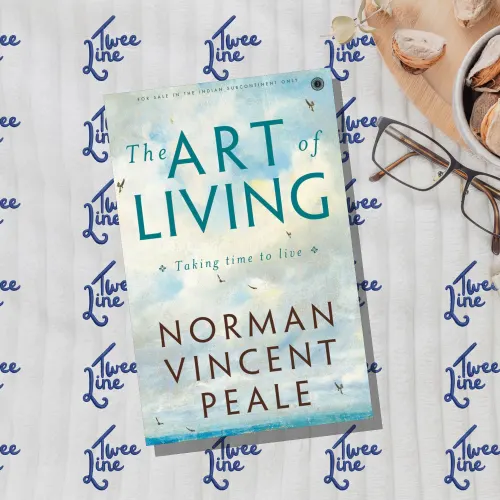
A calm, practical guide to living with awareness, balance, and purpose.
Non-Fiction
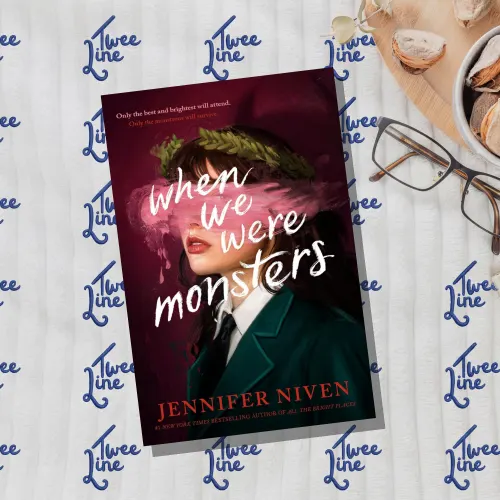
A haunting Jennifer Niven novel about friendship, secrets, and the monsters we hide.
Jennifer Niven
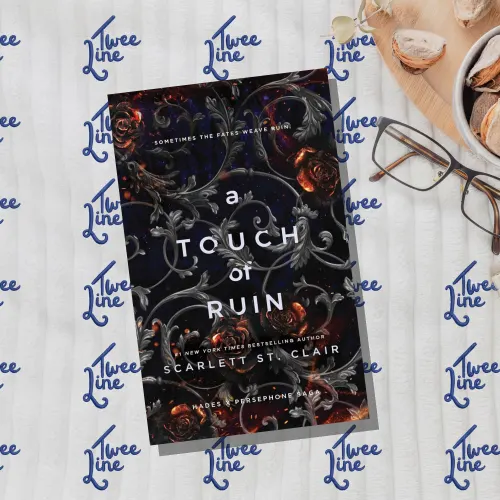
Persephone's mortal life unravels as her bond with Hades is tested in this steamy Greek myth retelling.
Scarlett St. Clair
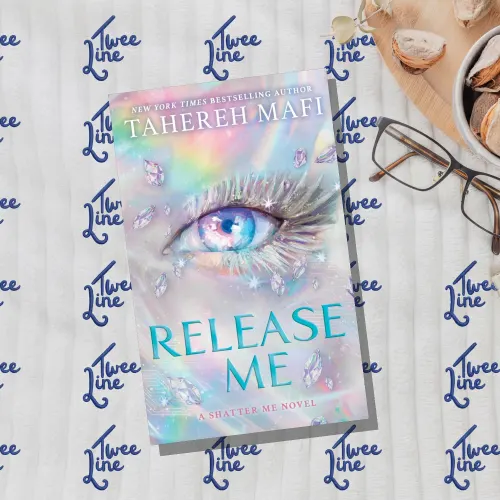
The explosive second book in Tahereh Mafi's Shatter Me: Series Two, where love and power collide.
Tahereh Mafi
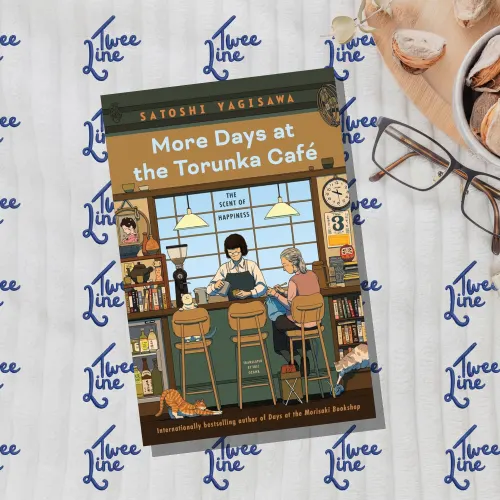
A warm return to the Torunka Cafe, where small moments and quiet conversations feel like home.
Satoshi Yagisawa
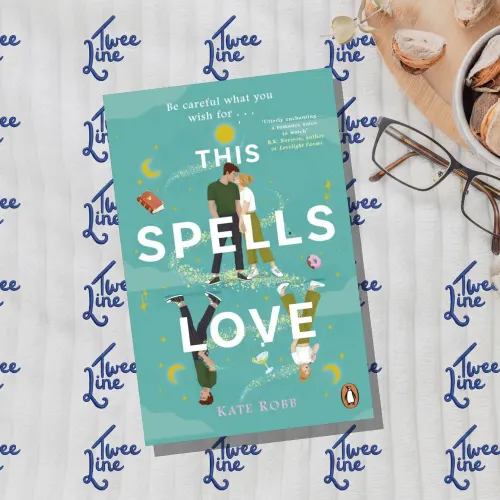
A heartwarming romantic comedy about love, magic, and second chances.
Kate Robb
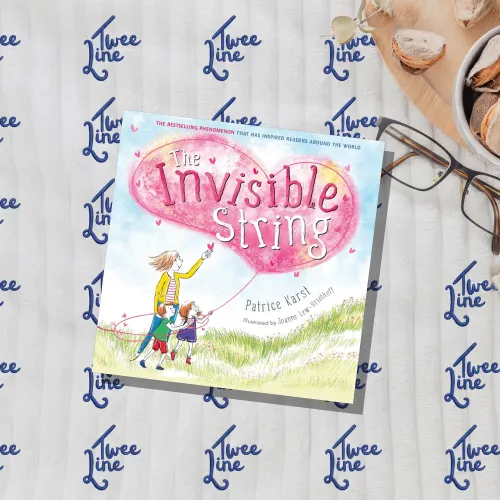
A practical paperback pick for readers drawn to a clear and readable approach to its subject in The Invisible String.
Joanne Lew-Vriethoff, Patrice Karst
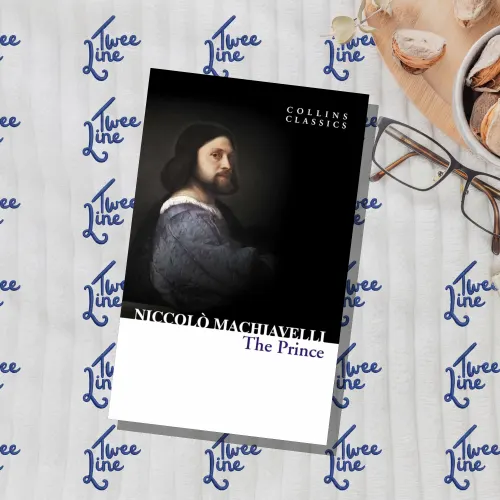
A practical paperback pick for readers drawn to real-world ideas, context, and perspective in The Prince.
Niccolo Machiavelli
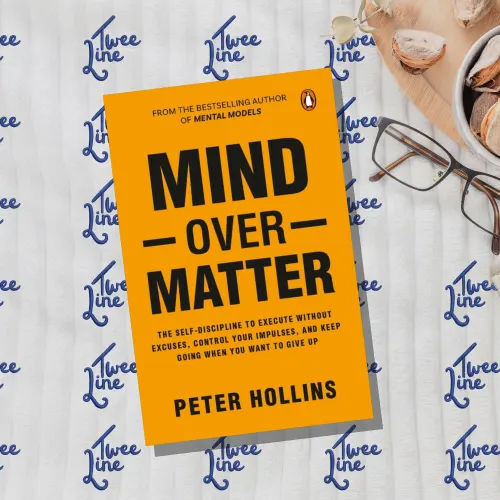
Unlock the power of your mind to transform your reality.
Peter Hollins
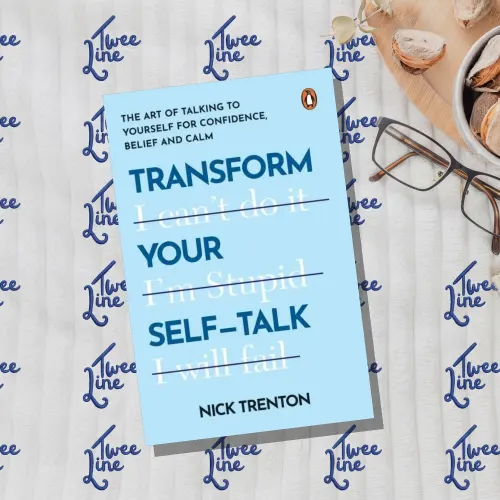
Rewrite your inner dialogue for confidence and success.
Nick Trenton
Tiny Humans, Big Emotions
Rs. 1,665.00
Your cart is empty
Start adding items to see them here.