



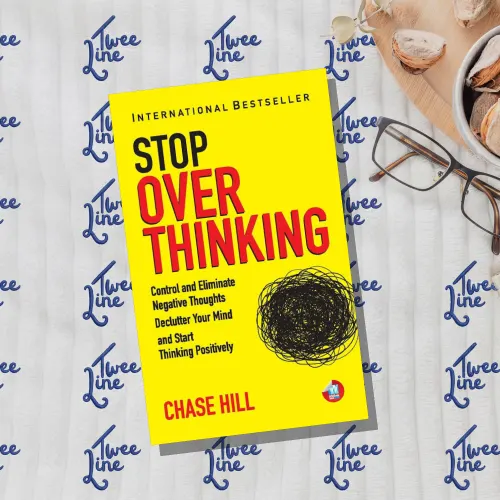
How to Stop Overthinking by Chase Hill
Quiet the mental noise and reclaim your focus with practical, calming strategies.
Chase Hill, Scott Sharp
Rs. 1,630.00
Sri Lankan goods, delivered to your door
Join Join our WhatsApp channelSharpen your mind and turn passive thoughts into purposeful action.
In stock
A practical guide to developing active thinking habits that help you question assumptions, solve problems, and make clearer decisions in everyday life.
Why read it
— Twee Line's take
Ask Tweeny about this book
The Power of Active Thinking is a book about the difference between letting thoughts happen to you and deliberately putting your mind to work. It explores how active thinking, the habit of engaging with ideas, questions, and problems instead of passively absorbing information, can change the quality of your decisions, your learning, and your daily life. The book is written for readers who want to think more clearly and act more intentionally, whether they are students, professionals, or anyone tired of mental autopilot.
At its core, the book argues that thinking is a skill, not a fixed trait. Active thinkers do not simply wait for insight to arrive. They ask better questions, test their assumptions, look for evidence, and stay curious even when the easy answer is available. This is not about becoming a genius or memorizing logic rules. It is about building small, repeatable habits that make your mind more useful in ordinary situations.
The central premise is simple but demanding: most of us spend much of the day in passive thinking mode. We scroll, we react, we accept the first explanation that fits our mood. Active thinking interrupts that pattern. It means pausing before accepting a claim, noticing when you are reasoning from habit rather than evidence, and choosing to engage with complexity instead of avoiding it. The book frames this as a power because it is available to anyone willing to practice it.
Rather than presenting thinking as an abstract philosophy, the book treats it as a practical discipline. It connects active thinking to real outcomes: better conversations, fewer avoidable mistakes, stronger problem solving, and a greater sense of control over your own attention. The tone is encouraging and grounded, not preachy. It acknowledges that active thinking takes effort and that nobody does it perfectly all the time.
Several themes run through the book. The first is curiosity as a habit. Active thinkers stay interested in why things work the way they do, and they are willing to look foolish by asking basic questions. The second is intellectual honesty, the willingness to admit when you do not know something or when your first instinct was wrong. The third is attention management, because you cannot think actively about everything, so you must choose where to spend your mental energy. The fourth is reflection, the practice of looking back at your decisions and asking what you would do differently.
Another recurring theme is the relationship between thinking and action. The book does not celebrate thinking for its own sake. It argues that active thinking should lead to better choices and more deliberate behavior. Thinking without action can become overthinking, and the book warns against that trap as well. The goal is a balanced loop: think, act, reflect, and adjust.
The tone is conversational and direct. Chapters are built around clear ideas and everyday examples rather than dense theory. Readers who enjoy practical self-improvement and popular psychology will find the style accessible. The book is designed to be read in short sessions, with ideas that can be applied the same day. It does not require background in philosophy or cognitive science, though it rewards readers who bring curiosity and a willingness to examine their own habits.
The reading experience is reflective rather than fast-paced. It invites you to pause and think about your own thinking, which can feel uncomfortable at first but becomes more natural as you go. Many readers will find themselves underlining passages and returning to certain chapters when they face a decision or a problem. It works well as a book to read once for the big picture and then revisit section by section.
This book is for anyone who wants to think more clearly. That includes students learning how to study and question material, professionals who make decisions under pressure, and general readers who feel overwhelmed by information and want a more deliberate approach. It is also useful for people who have been told they are "overthinkers" and want to understand the difference between productive reflection and anxious rumination.
It is not a technical manual and does not assume prior knowledge. Readers looking for a highly academic treatment of logic or cognitive science may want additional sources, but as an entry point into practical thinking habits, it is welcoming and useful.
Books about thinking can easily become abstract or repetitive. This one earns its place by staying close to daily life. It treats active thinking as something you can practice in a meeting, a conversation, or a quiet moment with a notebook. That practicality makes it a good reference to return to when you notice yourself slipping into autopilot.
It also pairs well with other books on decision making, learning, and attention. If you have read books on habits or focus, this one adds a complementary angle: the quality of your thinking shapes the quality of your actions. Keeping it on your shelf is a way of keeping that idea within reach.
You can read the book straight through for the overall argument, then return to chapters that match a current challenge. Keeping a notebook nearby helps, because the book works best when you apply its ideas to a real decision or problem. Try one habit at a time rather than overhauling everything at once. The goal is steady practice, not perfection.
Discussion groups and book clubs may find it useful because the ideas invite personal examples. Pair each chapter with a question about your own week: where did you think actively, and where did you coast? That simple reflection turns reading into practice.
The Power of Active Thinking is a reminder that your mind is more useful when you engage with it deliberately. It does not promise easy answers or instant transformation. It offers a practical path toward clearer thinking and more intentional living, one question at a time. For readers willing to put in the effort, that is a worthwhile trade.
Ulf Löwenhav is a Swedish author and leadership consultant known for writing about organizational development, management, and workplace culture. His books focus on practical leadership and how companies can build effective, healthy work environments. Titles such as "The Leadership Journey" and works on corporate culture are associated with his name in Swedish business literature.
Quiet the mental noise and reclaim your focus with practical, calming strategies.
Chase Hill, Scott Sharp

From a struggling student to a pioneering neurosurgeon, one boy's story of faith, grit, and gifted hands.
Ben Carson, Cecil Murphey
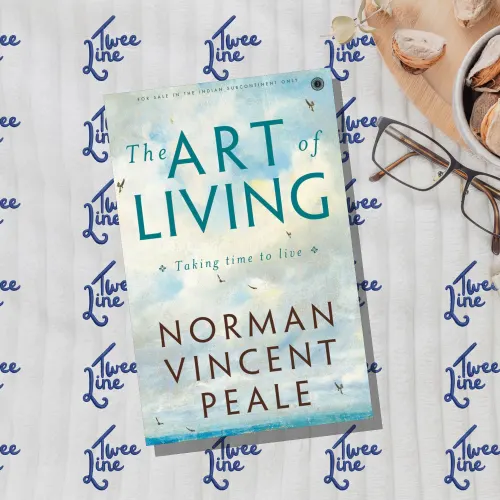
A calm, practical guide to living with awareness, balance, and purpose.
Non-Fiction
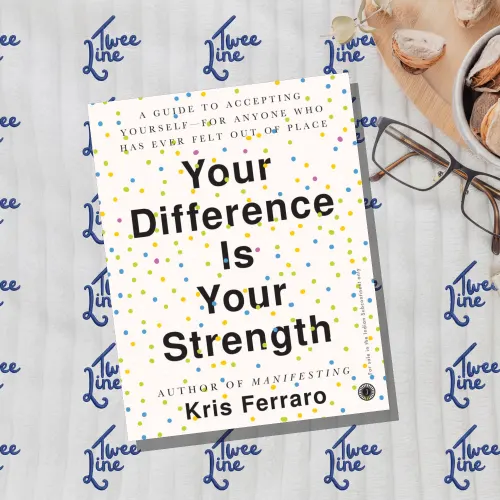
Turn what sets you apart into the source of your confidence and success.
Kris Ferraro
A practical paperback pick for readers drawn to a clear and readable approach to its subject in November 9: A Novel.
Colleen Hoover
A practical paperback pick for readers drawn to a clear and readable approach to its subject in Point of Retreat.
Colleen Hoover
A practical paperback pick for readers who want emotion and connection in Maybe Now.
Colleen Hoover
A practical paperback pick for readers who want emotion and connection in Confess: A Novel.
Colleen Hoover
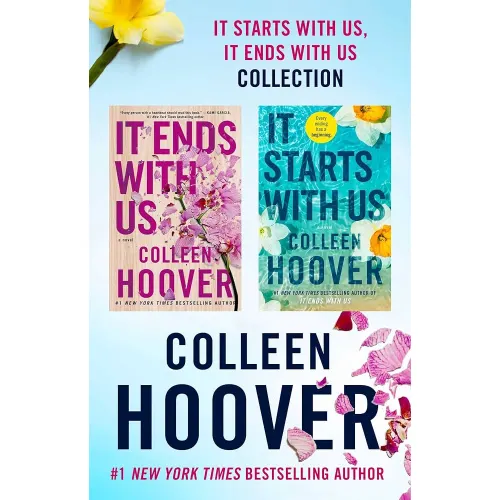
Two gripping novels in one set: a tale of love, resilience, and hard choices.
Colleen Hoover

A practical paperback pick for readers drawn to a clear and readable approach to its subject in Dork Diaries - Skating Sensation.
Rachel Renee Russell
A timeless classic of love, sacrifice, and revolution.
Charles Dickens
The Power of Active Thinking
Rs. 1,975.00
Your cart is empty
Start adding items to see them here.