



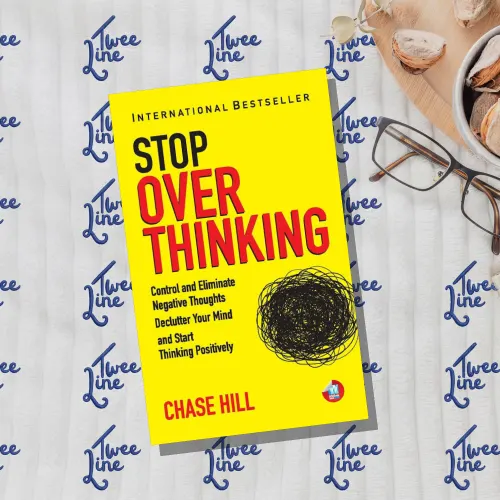
How to Stop Overthinking by Chase Hill
Quiet the mental noise and reclaim your focus with practical, calming strategies.
Chase Hill, Scott Sharp
Rs. 1,630.00
Sri Lankan goods, delivered to your door
Join Join our WhatsApp channelA calm, practical guide to living with awareness, balance, and purpose.
In stock
A reflective guide that draws on timeless wisdom to help readers slow down, think clearly, and live with greater awareness and balance.
Why read it
— Twee Line's take
Ask Tweeny about this book
The Art of Living is a reflective, accessible book that invites readers to step back from the noise of daily life and consider what it means to live well. Rather than offering quick fixes or rigid formulas, it works as a gentle companion for anyone who wants to think more clearly about habits, attention, relationships, and purpose. The Jaico edition presents this material in a compact, readable format that suits both first-time readers and those returning to its ideas.
The book sits comfortably in the personal growth and practical philosophy space. Its tone is calm and conversational, and its chapters are built around observations and simple exercises rather than heavy theory. That makes it a good fit for readers who want something thoughtful to dip into during a commute, a quiet morning, or a slow weekend.
At its core, the book explores the everyday craft of living. It looks at how attention shapes experience, how small choices compound over time, and how a person can build a steadier inner life without withdrawing from the world. The writing moves between reflection and practical suggestion, encouraging readers to notice their own patterns and to make small, deliberate adjustments.
Key themes include:
The tone is unhurried and encouraging. Chapters are short enough to read in a single sitting, and the language avoids jargon, which makes the ideas easy to carry into daily life. Readers who enjoy reflective nonfiction, gentle self-help, or practical philosophy will find the pacing comfortable. It is the kind of book that rewards slow reading and re-reading, with passages that invite underlining and return visits.
Because the book favors principles over prescriptions, it does not demand that readers adopt a single system. Instead, it offers a set of lenses for looking at ordinary experience. That flexibility is part of its appeal: a reader can take one idea, try it for a week, and come back for more when ready.
This book suits a broad range of readers:
It is less suited to readers looking for clinical advice, a step-by-step productivity system, or a strictly academic treatment of philosophy. The book is best approached as a companion for reflection rather than a manual.
Many books promise transformation; this one offers something quieter and often more useful: a way to pay attention. Its value lies in repeatability. A reader can return to it in different seasons of life and find that a chapter speaks to a new situation. That quality makes it a durable shelf companion rather than a one-time read.
The compact Jaico edition also makes it easy to keep nearby, whether on a bedside table, a desk, or in a bag for commutes. For readers building a small collection of reflective nonfiction, it fits naturally alongside other books on mindfulness, simple living, and practical wisdom.
There is no single correct way to approach the book. Some readers will move through it cover to cover; others will open it at random and read a chapter that matches the day. A few practical suggestions:
These habits match the book's spirit: small, steady attention rather than dramatic overhaul.
For a shopper, the appeal is straightforward. The book is approachable, affordable in its Jaico edition, and easy to gift. It works as an introduction to reflective reading for someone who does not usually pick up nonfiction, and as a welcome re-read for someone who does. Its themes are broad enough to suit many readers, yet specific enough to feel personal.
If you are looking for a book that encourages calm, clarity, and small practical changes, this is a sensible choice. It does not ask for a big commitment of time or belief; it asks only for a little attention, which is exactly what it is about.
Quiet the mental noise and reclaim your focus with practical, calming strategies.
Chase Hill, Scott Sharp

From a struggling student to a pioneering neurosurgeon, one boy's story of faith, grit, and gifted hands.
Ben Carson, Cecil Murphey
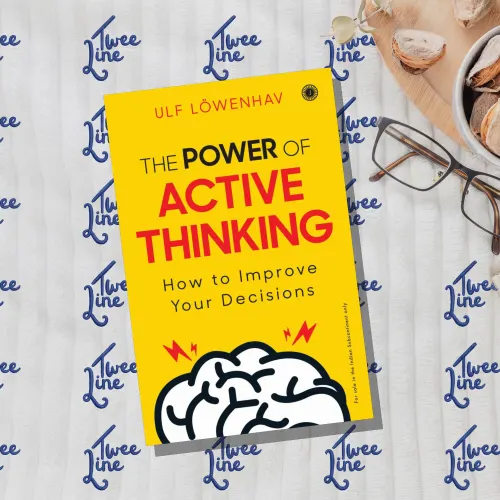
Sharpen your mind and turn passive thoughts into purposeful action.
Ulf Löwenhav

Turn what sets you apart into the source of your confidence and success.
Kris Ferraro


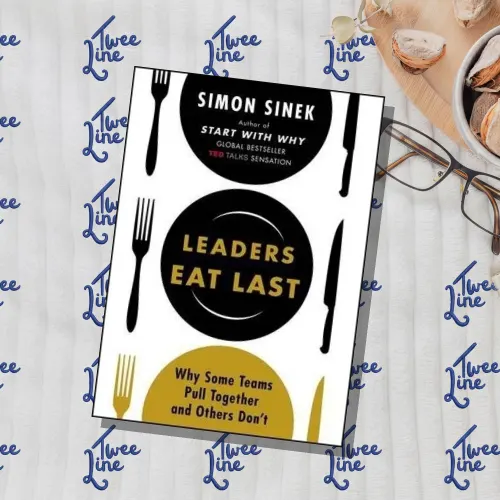
A practical paperback pick for readers drawn to personal growth and useful action in Leaders Eat Last : Why Some Teams Pull Together and Others Don't.
Simon Sinek
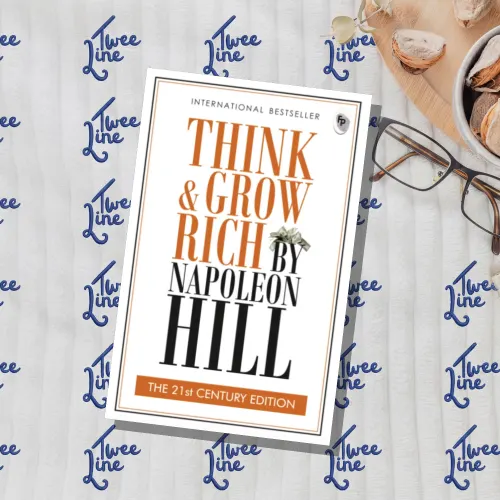
A practical paperback pick for readers drawn to personal growth and useful action in Think and Grow Rich (Fingerprint!).
Napoleon Hill
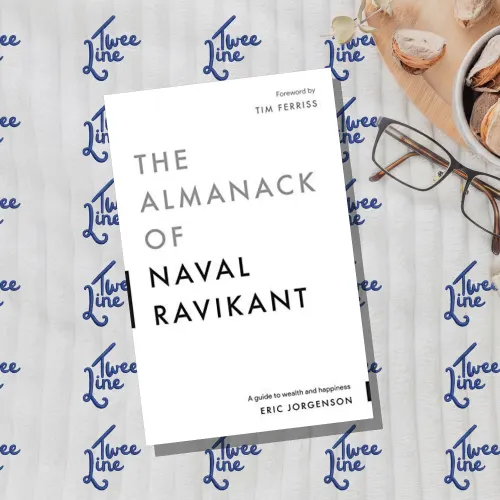
A guide to wealth and happiness from a legendary entrepreneur and philosopher.
Naval Ravikant
The Art of Living (Jaico)
Rs. 1,690.00
Your cart is empty
Start adding items to see them here.