



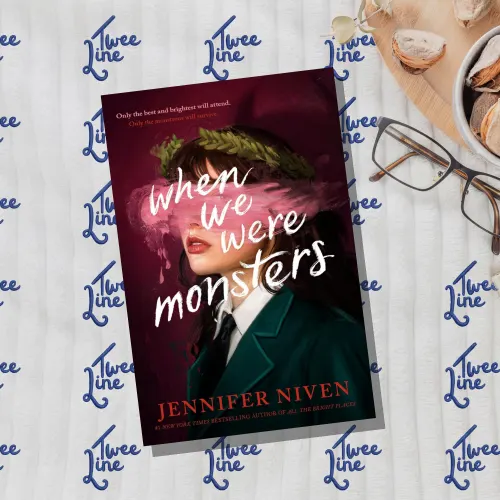
When We Were Monsters Novel by Jennifer Niven
A haunting Jennifer Niven novel about friendship, secrets, and the monsters we hide.
Jennifer Niven
Rs. 2,690.00
Sri Lankan goods, delivered to your door
Join Join our WhatsApp channelA debut story collection that moves between Soviet and post-Soviet Russia, tracing lives shaped by history, memory, and quiet longing.
In stock
Kseniya Melnik's linked debut stories follow families across Russia and beyond, from the Soviet era to the present, exploring displacement, family bonds, and the small moments that define a life.
Why read it
— Twee Line's take
Ask Tweeny about this book
Snow in May is a debut collection of linked short stories by Kseniya Melnik, a writer born in Magadan in the Russian Far East and raised partly in Alaska. The stories move between the Soviet past and the post-Soviet present, following characters whose lives are touched by the long shadow of history. Melnik writes with a restrained, observant style, and the collection as a whole reads like a portrait of a community across generations. The title itself suggests the unexpected: snow falling in a month associated with spring, a small disruption that hints at the larger dislocations the book explores.
The collection is often described as a story cycle rather than a set of unrelated pieces. Characters reappear, places echo, and the reader gradually assembles a larger picture of a Russian town and its diaspora. This structure rewards attentive reading. A minor figure in one story becomes central in another. A detail mentioned in passing returns later with new weight. The effect is less like reading separate stories and more like walking through a neighborhood and recognizing faces.
The stories are rooted in Magadan, a remote port city in northeastern Russia, and in the lives of people who leave it. Magadan has a particular historical resonance: it was a center of the Soviet Gulag system, and the memory of that past lingers in the landscape and in family histories. Melnik does not turn the book into a history lesson. Instead, she lets the past surface in ordinary ways, through a grandmother's stories, a photograph, a piece of furniture, a name that carries weight.
From that setting, the stories fan out. Some characters remain in Russia, navigating the uncertainties of the post-Soviet years. Others emigrate to the United States, where they build new lives while carrying old ones with them. The collection is interested in what people keep and what they leave behind, and in how the two are not always easy to separate.
Displacement and belonging. Many of the characters are in motion, whether across an ocean or across a city. They are often caught between a place they left and a place they have not fully arrived in. Melnik treats this condition with empathy rather than sentimentality. Home is not a simple idea in these pages; it is something people negotiate, sometimes for decades.
Family and inheritance. Parents and children misunderstand each other. Grandparents pass down stories that younger characters half listen to and later wish they had asked more about. The collection is full of small inheritances: a way of cooking, a superstition, a habit of silence. These are the things that outlast borders.
Memory and history. The Soviet past is not a backdrop here but a presence. Characters remember what they were told and wonder what they were not. The book is interested in the gap between official history and private memory, and in the ways ordinary people live with both.
Love and its complications. Romantic relationships in these stories are rarely simple. They are shaped by circumstance, by distance, by the expectations of families and communities. Melnik writes about desire and disappointment with a light touch, letting the reader feel the weight without being told how to feel.
Class and aspiration. The post-Soviet years brought new opportunities and new anxieties. Characters navigate shifting economies, new freedoms, and old hierarchies. The collection is attentive to the small signals of status and the ways people try to improve their lives.
The prose is clear and controlled, with a quiet emotional undertow. Melnik favors precise detail over dramatic declaration. A scene may turn on a gesture, a pause, a change in the weather. This restraint gives the stories a lingering quality; they tend to stay with the reader after the book is closed.
The collection is not a fast, plot-driven read. It is best approached as a series of connected portraits, each one adding to the whole. Readers who enjoy short fiction by writers such as Jhumpa Lahiri, Alice Munro, or Tessa Hadley will find a similar attention to interior life and to the ways ordinary choices accumulate into a life.
At the same time, the book has a strong sense of place. The cold, the distances, the particular textures of Russian and Alaskan life are rendered with care. The reader comes away with a vivid impression of a world that is specific and, in its emotional concerns, universal.
Snow in May will appeal to readers of literary fiction, especially those who enjoy short story collections with linked narratives. It is a good choice for book clubs interested in Russian and post-Soviet literature, immigration stories, and family sagas told in fragments. The stories are accessible but reward close reading, making the collection a strong candidate for discussion.
For readers new to Russian literature in translation or to contemporary immigrant fiction, this collection offers an inviting entry point. It is not a difficult book, but it is a serious one. The emotional stakes are real, and the characters feel like people the reader might know.
This is a collection that grows with rereading. The connections between stories become clearer on a second pass, and details that seemed incidental take on new meaning. It is the kind of book that a reader might press on a friend, saying, start with this one, then come back to the first. It also serves as a strong introduction to a distinctive voice in contemporary fiction.
For a bookstore or library, Snow in May sits comfortably alongside other linked story collections and works of immigrant and diaspora literature. It is a thoughtful gift for readers who appreciate quiet, well-crafted fiction, and a solid addition to any shelf devoted to contemporary short stories.
Kseniya Melnik was born in Magadan, Russia, and moved to Alaska as a teenager. She holds an MFA from New York University and her fiction has appeared in publications including Granta and The Brooklyn Rail. Snow in May is her debut collection.
A haunting Jennifer Niven novel about friendship, secrets, and the monsters we hide.
Jennifer Niven

Persephone's mortal life unravels as her bond with Hades is tested in this steamy Greek myth retelling.
Scarlett St. Clair
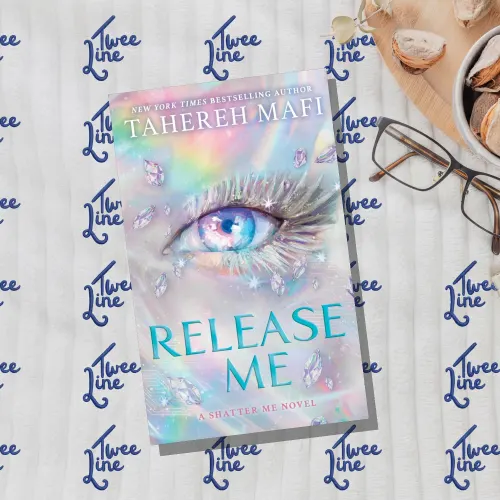
The explosive second book in Tahereh Mafi's Shatter Me: Series Two, where love and power collide.
Tahereh Mafi
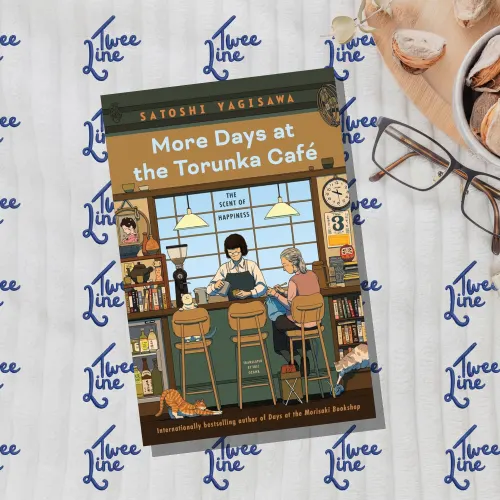
A warm return to the Torunka Cafe, where small moments and quiet conversations feel like home.
Satoshi Yagisawa

A rain-soaked story of trade, weather, and the people who live between them.
Fiction
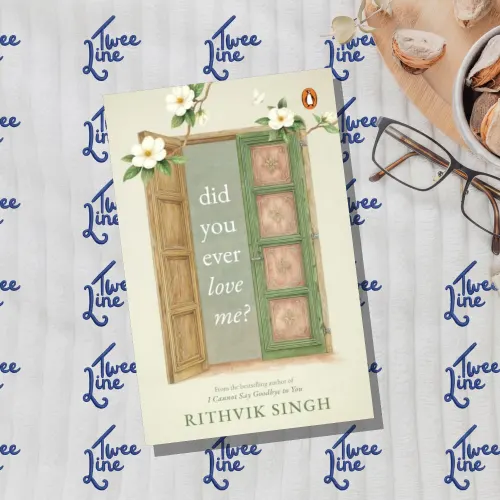
A heartfelt story of love, doubt, and the questions we never ask.
Rithvik Singh
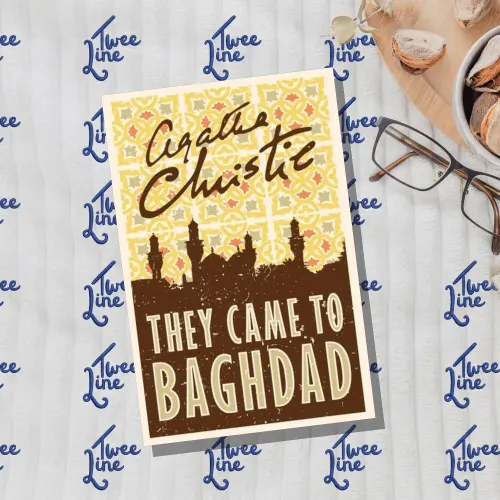
A young woman stumbles into a deadly spy conspiracy in Agatha Christie's Baghdad thriller.
Agatha Christie
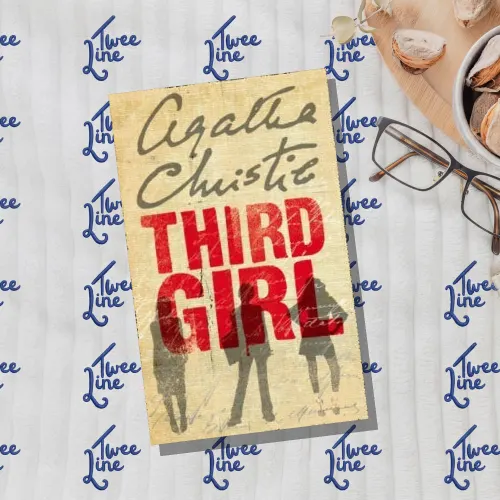
A frightened young woman, a missing memory, and Poirot's most puzzling case of identity.
Agatha Christie
A gripping psychological thriller where a missing girl's identity becomes the most dangerous question of all.
Megan Lally

A practical paperback pick for readers drawn to a clear and readable approach to its subject in A Thousand Broken Pieces.
Tillie Cole
A practical paperback pick for readers drawn to personal growth and useful action in The Infinite Game.
Simon Sinek
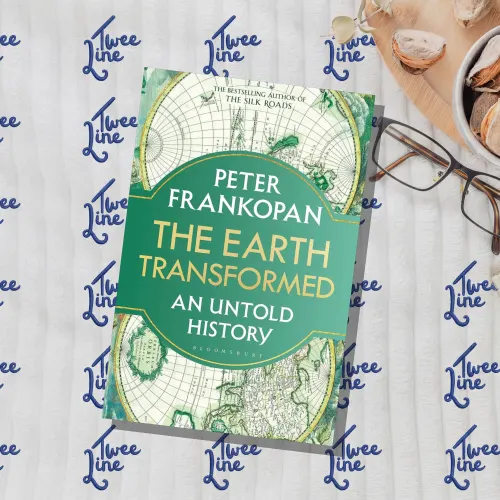
A practical paperback pick for readers drawn to a clear and readable approach to its subject in The Earth Transformed: An Untold History.
Peter Frankopan
Snow in May: Stories
Rs. 2,790.00
Your cart is empty
Start adding items to see them here.